From expanding VAR influence to targeting timewasting, Fulltime Herald describes all the big changes made by Fifa to officiating at this World Cup
The 2026 World Cup will not only be the largest tournament in football history. It will also serve as a testing ground for some of the most significant changes to officiating and game management seen at a major international competition.
Fifa has spent recent years searching for ways to improve decision-making, reduce time-wasting and close loopholes that officials believe are being exploited by players and coaches. The result is right now a collection of new measures that will change how matches are refereed across the tournament.
And let’s just say that not every fan will like them.
VAR will review corners and second yellow cards
The video assistant referee will have a wider role than at previous tournaments. Officials will now be able to check decisions that result in corners if there is evidence that the on-field call was clearly wrong. The intention is to prevent obvious mistakes from influencing major matches, particularly when a corner directly leads to a goal-scoring opportunity.
VAR will also assess incidents that result in a second yellow card. Previously, review was limited to straight red-card offences. The change is coming because decision-makers are concerned that a mistaken dismissal can have a decisive impact on knockout games.
The expansion is notable because there has previously been resistance to broadening VAR’s remit beyond major incidents because stakeholders are worried it would slow the game down considerably. Fifa has instead opted to risk that in pursuit of accuracy.
Officials can review fouls before set-pieces
VAR will now be permitted to check offences that occur inside penalty areas before a set-piece is taken, if those incidents directly influence a subsequent goal, penalty or sending-off.
The change is aimed largely at reducing grappling, blocking and holding before corners and freekicks. These incidents have often escaped punishment because they occur while the ball is out of play and before the attacking phase officially begins. Referees are likely to face greater scrutiny over physical battles in the box, particularly during set-piece situations where marginal fouls can determine the result.
Walking off in protest could lead to a red card
Fifa has introduced a tougher stance on dissent and demonstrations against officials. Any player or member of staff who leaves the field in protest at a referee’s decision can now be sent off. The rule comes after Senegal players walked off the pitch in the Africa Cup of Nations final against Morocco. They were protesting the apparently erroneous decision from the referee to award Morocco a late penalty in the final. Senegal eventually returned and play resumed after 15 minutes, but Morocco missed the penalty. The new sanction allows the referee to respond immediately and punish such protests.
Covering the mouth during confrontations is now punishable
Another new offence targets behaviour during heated disputes between players. Any player who deliberately cover their mouths to confront and speak to an opponent can be shown a red card. The change follows the incident in the Champions League playoff game when Benfica’s Gianluca Prestianni allegedly uttered racist remarks towards Real Madrid’s Vinicius Junior, but the claim could not be fully verified because he covered his mouth with his hand. Fifa’s view is that the threat of dismissal will act as a deterrent in such situations.
New measures aim to remove tactical timeouts
Teams have developed various sneaky ways of wasting time or delaying play so they can receive instructions from their coaches. Players receiving treatment will still leave the field, but they must now remain off the pitch for at least 60 seconds after treatment is completed before being allowed to return.
The objective is to prevent teams from using injury stoppages as unofficial coaching breaks. Goalkeepers have to remain on the field for treatment and they can’t leave the field afterwards. However, while they receive treatment outfield players will be ordered to stay away from their technical areas rather than gathering around coaches for instructions.
Countdown clocks will be used for throw-ins and goal-kicks
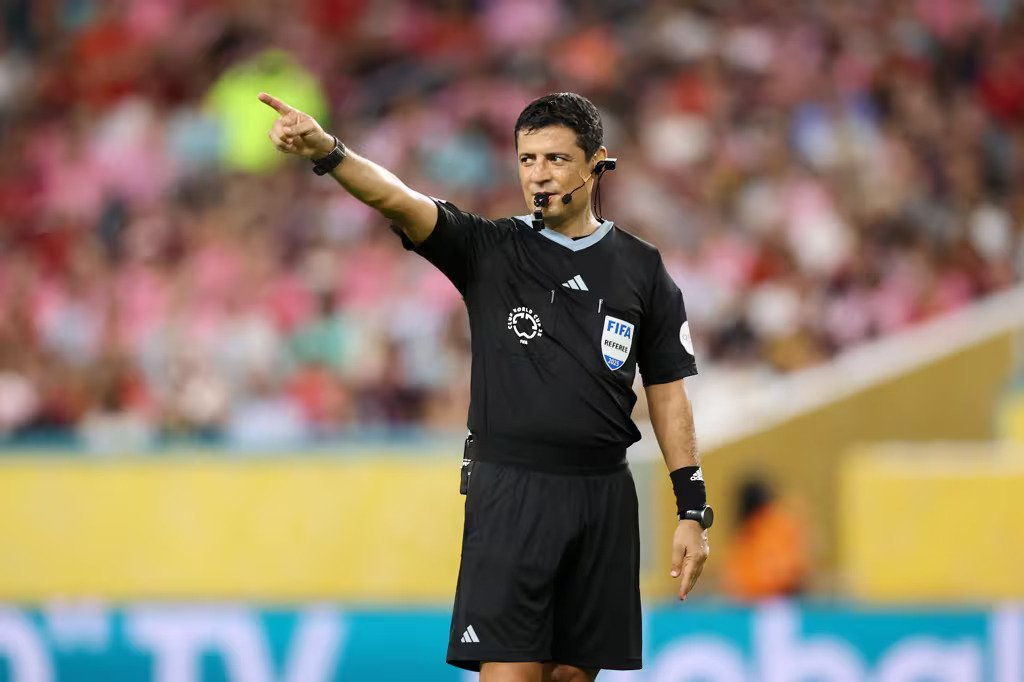
Referees have been given new tools to tackle time-wasting. Following trials involving goalkicks, officials will now use five-second countdowns for both throw-ins and goalkicks when players delay restarts. The referee will count down with their fingers raised and if a throw-in is delayed until the time runs out, it can be awarded to the opposition. If the excessive delay is during a goalkick, it can result in a corner being given to the attacking team. The aim is to keep matches moving and discourage players from slowing the tempo or wasting time late in games.
Slow substitutions will carry an extra penalty
Substitutions will also be monitored more closely. Players leaving the field must do so within 10 seconds of the substitution being signalled. If they exceed that limit, their replacement will not be permitted to enter immediately and must wait an additional minute. The measure is designed to eliminate the familiar delaying tactic in the closing stages of tightly contested matches.