UEFA is preparing to change the way VAR is used in European football, with referees set to regain greater authority.
UEFA’s head of referees Roberto Rosetti says the organisation is no longer satisfied with how VAR has developed since its introduction. Rather than becoming involved in an increasing number of decisions, the technology should return to its original purpose of correcting clear and obvious mistakes.
“We want to return to the origins of VAR,” Rosetti said, using Diego Maradona’s infamous ‘Hand of God’ goal against England at the 1986 World Cup as an example of the type of error the technology could prevent.
UEFA Wants VAR to Intervene Less
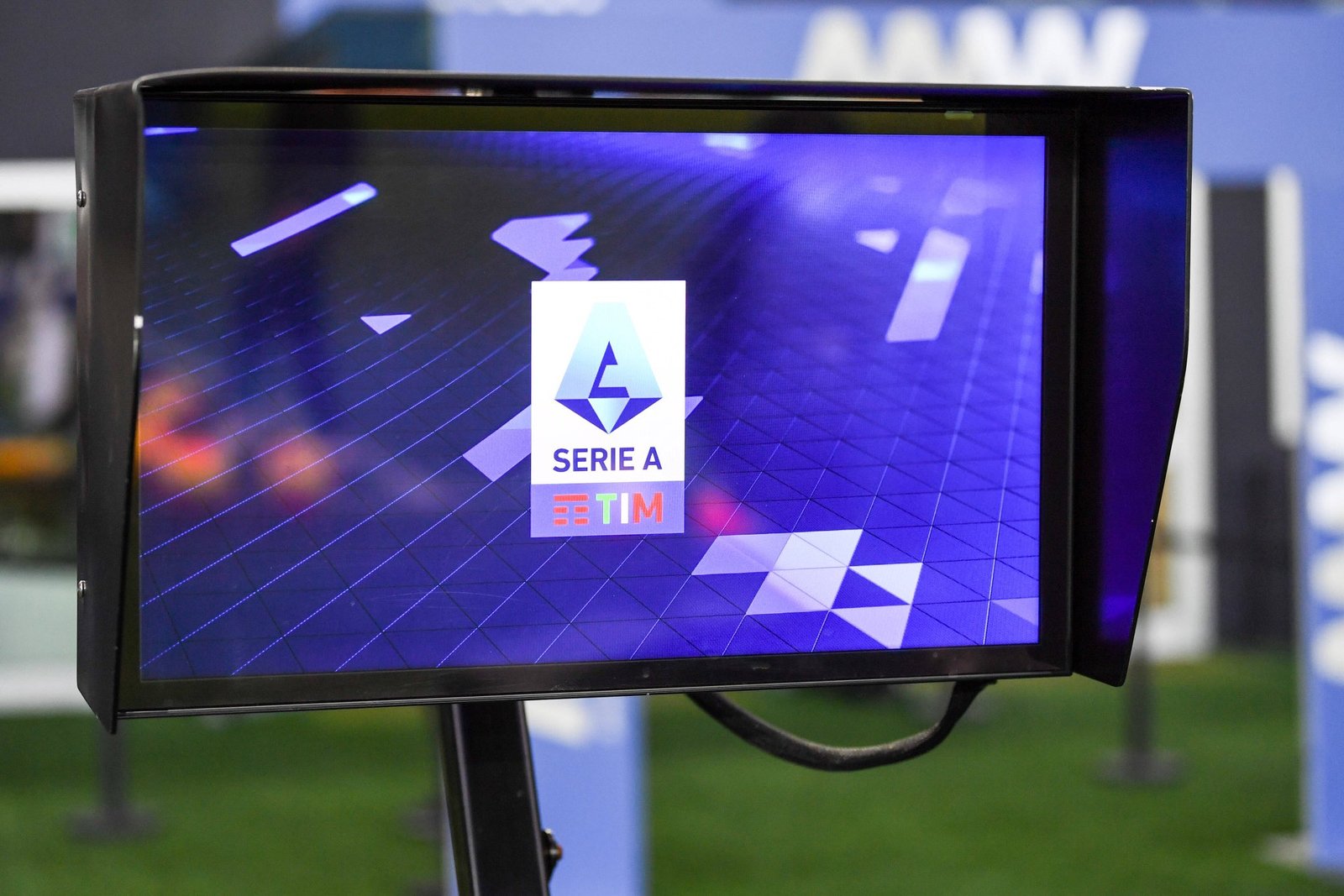
Under the proposed approach, VAR would only intervene when there has been a clear and obvious error. UEFA wants to move away from what Rosetti described as “microscopic interventions”, where referees are repeatedly sent to the pitch-side monitor to reconsider marginal decisions.
“We are no longer satisfied with this way of using VAR. We want to take a step back and put referees back at the centre,” Rosetti said.
✅ 𝐂𝐥𝐞𝐚𝐫 𝐋𝐢𝐧𝐞: A guide to referee decisions in European football
🎬 Clear Line is UEFA’s refereeing video library, providing unprecedented open access to the guidance we give to referees and VARs to help them apply the Laws of the Game consistently across Europe.
Find… pic.twitter.com/5dHZGGKUPi
— UEFA (@UEFA) August 11, 2026
The UEFA referees’ chief also warned that football risks losing part of its character if technology becomes too influential. “This is football, not PlayStation. We have to be very, very careful,” he added.
The length of VAR reviews is another major concern. Rosetti believes reviews lasting more than 90 seconds can damage the credibility of the process, strengthening UEFA’s argument for quicker and more decisive interventions.
Red-card decisions could also be affected by the changes. While freeze-frame images will continue to be available, referees would be encouraged to consider the incident in real time as well, allowing the overall dynamics of a challenge to carry greater weight.
UEFA is also attempting to improve consistency through Clear Line, a new online platform designed to provide referees, players and supporters with clearer guidance on the laws of the game and the use of VAR. The platform contains around 150 reference scenarios and is available through UEFA’s website.
Rosetti believes greater transparency and consistency can help rebuild confidence in officiating. “The idea is to ensure more consistency in the application of the rules,” he said, as UEFA looks to make VAR a supporting tool for referees rather than the centre of attention.