
FIFA’s Arsene Wenger says mandatory hydration breaks had no impact on World Cup results but confirms the governing body will review the rule before deciding whether it returns for future tournaments.
FIFA’s Chief of Global Football Development, Arsene Wenger, has defended the use of mandatory hydration breaks at the 2026 FIFA World Cup, insisting the stoppages did not affect the outcome of matches despite attracting criticism from players, coaches and supporters.
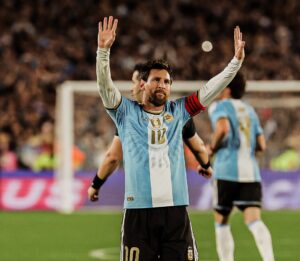
Speaking ahead of the World Cup final between Spain and Argentina, the former Arsenal manager explained that FIFA will conduct a full review of the policy once the tournament concludes before deciding whether hydration breaks should remain part of future competitions.
The three-minute breaks, introduced midway through each half of every World Cup match, were designed to protect players competing in challenging weather conditions. However, the rule proved controversial, with many arguing it disrupted the rhythm of games and effectively split matches into four quarters.
Fans were also critical of the stoppages, with some stadiums witnessing boos during the breaks. Others suggested the interruptions primarily benefited broadcasters by creating additional commercial opportunities during live coverage.
🚨🚨| NEW: FIFA to review 𝐔𝐍𝐏𝐎𝐏𝐔𝐋𝐀𝐑 hydration breaks after the 2026 World Cup, Arsene Wenger confirms. 💧🏆
Breaks were applied universally across all matches regardless of weather, broadcasters have criticised for using them for ad slots.
[@BBCSport] pic.twitter.com/znZ1jqKnhx
— CentreGoals. (@centregoals) July 18, 2026
Despite the criticism, Wenger rejected suggestions that the breaks altered the flow of matches enough to influence results. He maintained that FIFA’s primary concern was player welfare and insisted there was no evidence that the stoppages affected the competition itself.
Several prominent figures voiced differing opinions throughout the tournament. Spain coach Luis de la Fuente and Netherlands captain Virgil van Dijk accepted the need for hydration breaks in extreme temperatures but questioned why they were enforced during cooler matches or inside covered stadiums. England manager Thomas Tuchel also admitted the stoppages had a greater impact on momentum than initially expected.
Uruguay boss Marcelo Bielsa was among the strongest critics, arguing the breaks disrupted football’s natural rhythm without adding meaningful value to the sport. His comments reflected wider concerns that the game’s traditional flow had been unnecessarily interrupted.
Wenger acknowledged those concerns but pointed to the vast differences in weather conditions across host nations Mexico, Canada and the United States. While some matches were played in intense heat, others took place in significantly cooler climates. FIFA will now analyse the medical data, player feedback and overall impact of the rule before deciding whether mandatory hydration breaks become a permanent feature of future international tournaments.