Spain won football’s biggest prize by beating Argentina 1-0 in the 2026 World Cup final. Here are the major talking points and how the game was won and lost.
1. Spain win with team play and collective identity
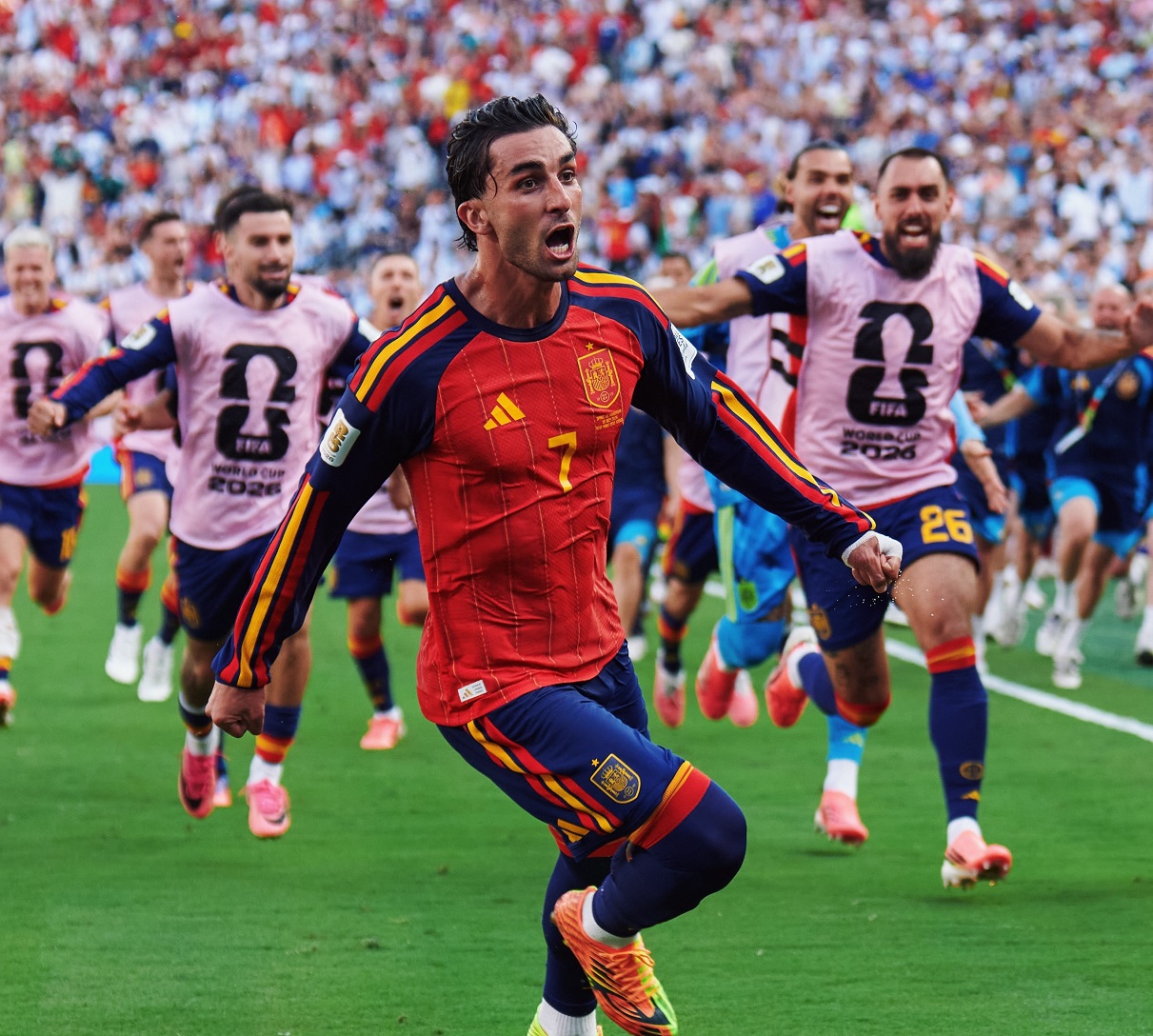
Much has been said and done about superstars at this World Cup, in a US with a culture of exalting individuals. The glitz and glamour, the frequent cutaways to superstars, the shows placing icons on a pedestal. Even the football talk has been dominated by discussions of individuals: Cristiano Ronaldo, Lionel Messi, Kylian Mbappe, Harry Kane, Erling Haaland. But here Spain were a team that built on a collective, with a technically gifted squad. Lamine Yamal is only a cog in the wheel. Even Rodri, who won the golden ball here, was remarkable only for his ability to play in the centre and connect his teammates, bring them together. And in the end, the winning goal was scored by Ferran Torres, your regular guy, who only came on as a substitute.
2. A feisty Argentina were held in place and taught a lesson
Argentina were the hotheads of this tournament, the spontaneous team that enjoyed a wild ride. It could be difficult to predict what they would do. Here they took the approach they did against England, abrasive, all aggression, and too little effort to actually get on the ball and play. They turned the game into a difficult watch, especially in the stop-start first half where they threatened to have more fouls than passes, but Spain held them at bay, refused to be rattled, kept their cool heads and continued passing until they wore Argentina down. It took 106 minutes but they ultimately broke the resistance.
3. …by a team with the ability to suffocate even the most talented sides
Spain showed against France that they possess the ability to completely shut down even the most talented teams. They keep the ball and move it around, with supreme organisation and tactical patterns, suffocating the opponent like a boa constrictor wrapping itself tightly against a prey. In the semi-final, France did not manage a shot on target until the late stages.
And here Argentina were stifled and they did not manage any shots on target at all. Indeed they did not have a single attempt on goal until late in extra time, after they had conceded and tried to muster what little fighting spirit they could. But it must also be said that, as difficult as this game was to watch, and for all that Argentina were the biggest culprits for it, part of it is also down to Spain’s style of play, crippling and binding the other side so much with their passing that the game becomes one sided and a thorough bore.
4. Lionel Messi’s last appearance on the big stage ends in pain
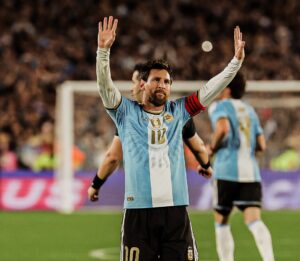
For most people, who will not care much about watching Messi play in Major League Soccer, this was probably the last time they would ever watch the greatest footballer to ever play the game. Messi has dazzled the footballing world for nearly 20 years, and here at this World Cup, even at 39, he reminded observers again just what an exceptional player he is and has been. But here there was no fairy-tale ending as he largely stood on the periphery, shut out by Spain, a bystander, basically no more than one of the other high-profile attendees but with the best viewing location in the stadium.
5. This golden Spain generation follows in the footsteps of their predecessors
Spain came into this tournament as European champions. They followed closely after their predecessors who won Euro 2008 before winning the World Cup in 2010. That Spain team were all difficult to play against, constricting their opponents with high-grade possession ball and being miserly in defence, conceding only two goals all tournament. They also won the final against the Netherlands 1-0, courtesy of a goal by Andres Iniesta in the 116th minute of extra time. Here, this current Spain team went better with the margins, conceding only once in an expanded tournament and scoring ten minutes earlier in extra time.