
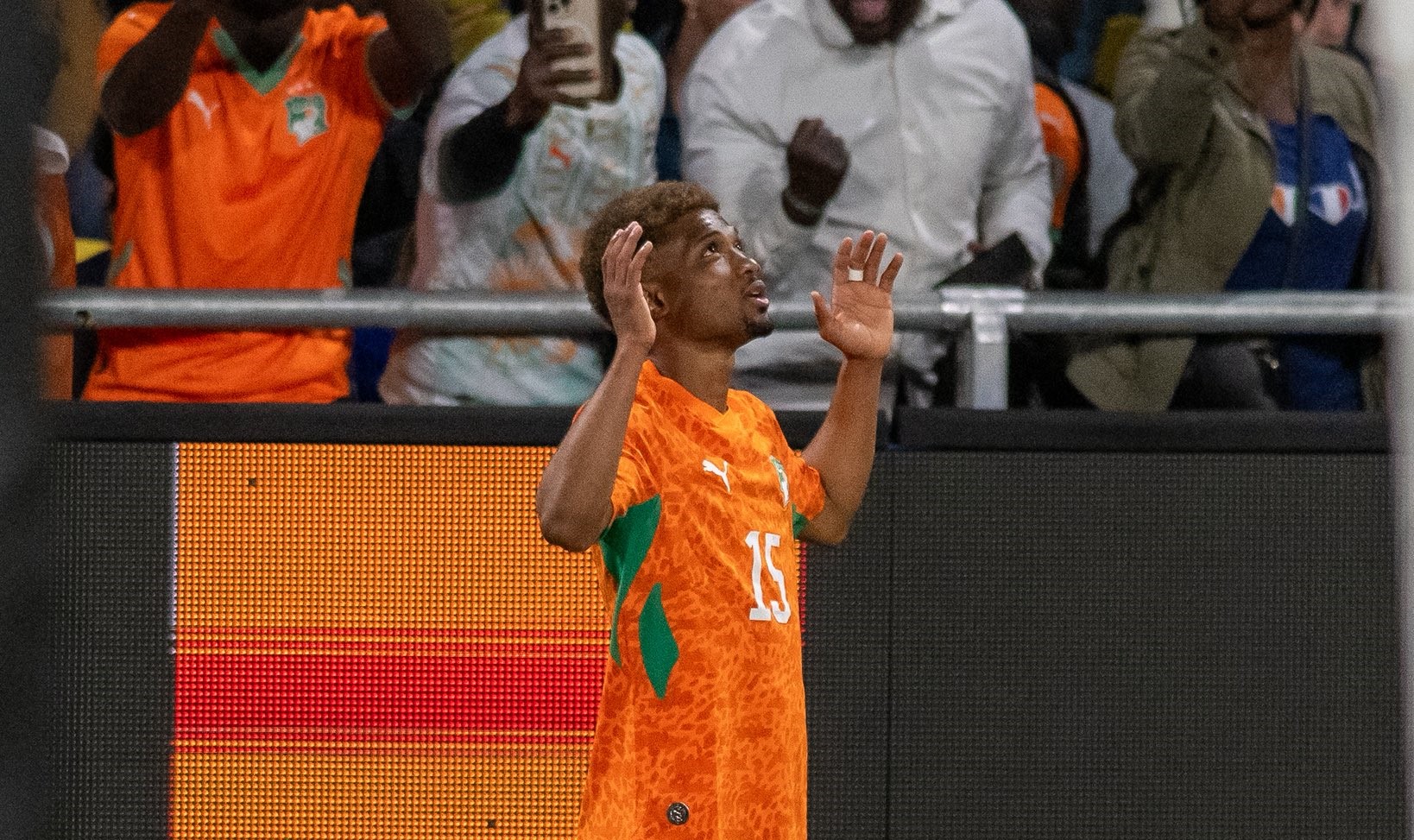
The latest friendlies involving African teams are simply a preview of what to expect at the World Cup
While friendly matches are often dismissed as little more than preparation exercises, the latest round of international fixtures produced results that were impossible to ignore.
Cape Verde stunned Serbia 3-0, Algeria defeated the Netherlands 1-0, and Ivory Coast shocked France 2-1. Individually, these results are impressive. Together, they suggest that African teams could be preparing to make a major impact when the World Cup begins in North America.
Africa is ready for the World Cup. pic.twitter.com/g3wfU9BPHY
— ESPN Africa (@ESPNAfrica) June 4, 2026
Cape Verde’s emphatic 3-0 victory over Serbia may not grab as many headlines as some of the other results, but it could prove just as significant.
Serbia have regularly qualified for major tournaments and possess players competing in some of Europe’s strongest leagues, yet they were thoroughly outplayed by a Cape Verde side that showed organisation, confidence, and clinical finishing.
More importantly, the result reinforces the idea that there are no easy games against African opposition anymore. European teams that might once have viewed African nations outside the continent’s traditional powers as favourable opponents should think again. For Cape Verde, the win is a massive confidence boost and proof that they can compete with established football nations on the biggest stage.
Algeria’s 1-0 victory over the Netherlands was perhaps the biggest surprise of the international window.
FULL TIME | نهاية المباراة#LesVerts ⭐️⭐️ | #123VivaLAlgérie 🇩🇿 | #WorldCup2026 | #FIFAWORLDCUP pic.twitter.com/IxIPE5dBbh
— Équipe d’Algérie de football (@LesVerts) June 3, 2026
The Dutch are widely regarded as one of the strongest dark horses heading into the World Cup and possess quality throughout their squad, from experienced leaders to exciting young stars. Yet Algeria matched them physically, tactically, and technically before securing a deserved victory.
The result showed that African teams are no longer relying solely on athleticism or defensive discipline to compete with elite European opposition. Algeria demonstrated patience in possession, tactical intelligence, and the ability to control key moments of the game. If they can reproduce performances like this at the World Cup, they will be a difficult opponent for anyone they face.
Then came the result that truly sent shockwaves through international football. While the Netherlands’ loss to Algeria was unexpected, almost nobody saw France losing to Ivory Coast.
Didier Deschamps’ side entered the match as one of the favourites for the World Cup and featured many of the stars expected to lead another deep tournament run, but Ivory Coast pulled off an incredible surprise.
They pressed aggressively, defended with discipline, and took their chances when they came. A 2-1 victory over one of the strongest teams in world football is not something that can be brushed aside as a friendly result. It was a reminder that African champions and contenders possess the quality, depth, and mentality required to challenge football’s traditional superpowers.
Amad Diallo scored the decisive goal as Ivory Coast beat France in a pre World Cup friendly 🇨🇮👏 pic.twitter.com/is03bFSoTH
— Football on TNT Sports (@footballontnt) June 5, 2026
These results also strengthen the belief that the 2026 World Cup could produce more upsets than any previous edition. The expansion from 32 to 48 teams creates more opportunities for emerging nations to progress beyond the group stage and into the knockout rounds.
Historically, African teams have often found themselves one mistake or one difficult draw away from elimination. The new format provides additional pathways to success, and recent performances suggest several African nations are ready to take advantage of them.
For years, European football has been viewed as the benchmark for tactical football and technical quality. However, these friendlies highlighted how much African football has evolved.
The continent’s leading nations are producing players who compete at the highest levels of European football, while national teams are becoming increasingly organised and tactically flexible. The gap between Africa’s best teams and Europe’s elite appears smaller than ever.
The World Cup is already shaping up to be one of the most dramatic tournaments in recent memory.
The expanded format, the passionate crowds expected across North America, and the mix of established powers and ambitious challengers should create an unforgettable spectacle. But if these friendlies are any indication, African teams are preparing to contribute far more than just atmosphere and energy.
🚨📲 Amad Diallo on Instagram:
“Great win against France🇫🇷. Proud of this team and proud to represent our country.
“We celebrate today but remain focused on our goals. The work continues ☝🏾🇨🇮” pic.twitter.com/1mD1DLt4aX
— United Pride (@UtdPride) June 5, 2026
They are showing that they can bring drama where it matters most, on the pitch. And if Europe was not paying attention before, it certainly should be now.