A nostalgic dive into 90s Serie A, when Italy’s top flight was the global center of style, tactics, and superstars—long before the Premier League claimed the spotlight.
Serie A was the epicenter of football in the 1990s. “It was the league everyone wanted to play and it was the league all the best players played in.” These are rephrased words of England great, Paul Gascoigne, popularly known as Gazza, who played for Lazio between 1992-1995.

You could argue that this is just nostalgia speaking, but this article will go on to show you how Serie A dominated football in the 90s. It was the real peak of football, not the Premier League.
Before the Premier League Hype
Regista. Trequartista. Mezzala. Libero.
These weren’t just fancy Italian words; they were the language of a footballing era that understood the game at its deepest level.
Today, the Premier League is sold as the pinnacle of world football. It is fast, physical, glamorous, and global, but long before English football became a billion-dollar entertainment machine, Serie A in the 1990s had already perfected the sport itself. If football ever reached its true peak, it wasn’t under floodlights in England, it was in Italy.
To be a bit honest and to others, controversial, the Premier League’s rise has been driven by money, marketing, and media dominance. Serie A’s dominance in the 90s, however, was driven by football intelligence. This was an era when matches were not simply won through intensity or pressing, but through ideas. Every weekend felt like a tactical seminar, and every opponent posed a unique puzzle. The league wasn’t loud—but it was profound.
“Serie A was the best and most attractive league in Europe in the 1990s,” recalls Aron Winter, who left Ajax in 1992 to play for Lazio and then Inter midway through a career that delivered 84 caps for the Netherlands. “What Spain is now, Italy was back then. As soon as I started playing in Serie A, I noticed the high level of the league – it was really tough to win matches. It was the country where the best players in the world were all playing.”
Italy Was the Tactical Brain of World Football
Serie A was where football thinking evolved. Italy didn’t just produce players, it produced concepts. The regista dictated rhythm from deep. The trequartista operated between lines, bending defenses with subtlety rather than speed. The mezzala controlled space and transitions. The libero read the game like a grandmaster, stepping out of defense to shape attacks.
The language translated onto the play. Football in Serie A was poetic.
Managers weren’t motivators shouting from the sidelines, they were architects. Arrigo Sacchi redefined pressing and zonal marking. Fabio Capello mastered control and efficiency. Giovanni Trapattoni built teams that were impossible to beat. Compare that to the Premier League of the same era, which leaned heavily on physicality and direct play. Italy wasn’t just playing football; it was advancing it.
In 90s Serie A, there were no easy games. Mid-table teams like Parma, Fiorentina, Sampdoria, and Lazio were stacked with international stars and capable of winning trophies, just like you have in the Premier League now.
Parma alone featured Gianluigi Buffon, Lilian Thuram, Fabio Cannavaro, Juan Sebastián Verón, and Hernán Crespo, players who were and became World beaters.
Surviving Serie A was harder than winning titles elsewhere.
The Greatest Players Chose Serie A
When players wanted to prove they were the best, they went to Italy. Just like Gascoigne stated, almost all the star players in the 1990s played in the Serie A and part of the reason was due to a ban on Premier League teams from playing in European competitions in 1985, a ban that lasted till early 1990.
Name a star player in the 1990s and he was in the Serie A.
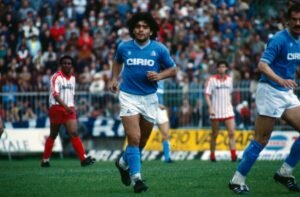
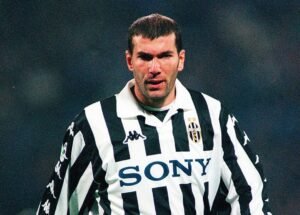
Diego Maradona elevated Napoli to god-like status. Marco van Basten, Ruud Gullit, and Frank Rijkaard made AC Milan feel immortal. Ronaldo Nazário’s peak didn’t happen in England, it happened at Inter and Zinedine Zidane became truly world-class at Juventus.
Even defenders were superstars. Paolo Maldini, Franco Baresi, Alessandro Nesta, and Cafu weren’t just stopping goals, they made defending an art which is part of the fabric of current day Serie A football, making it difficult for strikers to record unbelievable goal tallies.
Defending Was an Art, Not a Weakness
One of the biggest misconceptions about 90s Serie A is that it was boring. In reality, it was intellectually demanding.
Defending was precise, coordinated, and beautiful. Defending was an art form and teams like AC Milan were particularly hard to break. This wasn’t because the league didn’t have good players, it was flowing in talent but the league forged complete footballers.

Matches felt like a battle and defenders were ready to give their lives for a clean sheet.
European Dominance Speaks for Itself
Italian clubs didn’t just dominate domestically, they ruled Europe. Serie A teams regularly reached the latter stages of the Champions League and turned the UEFA Cup into an Italian competition. Milan, Juventus, and Inter were feared across the continent.
AC Milan beat Benfica in Vienna to become the first team to win back-to-back European Cups and no one broke that record until Real Madrid’s 2017 victory over Juventus in Cardiff, 27 years later.
Milan’s 1990 triumph ensured that for the only time in history, all three major European honours were claimed by clubs from the same country.
During the ’90s, Italian sides won 13 of the 30 European titles available, with 25 finalists.
Football Culture Was Deeper Than Marketing
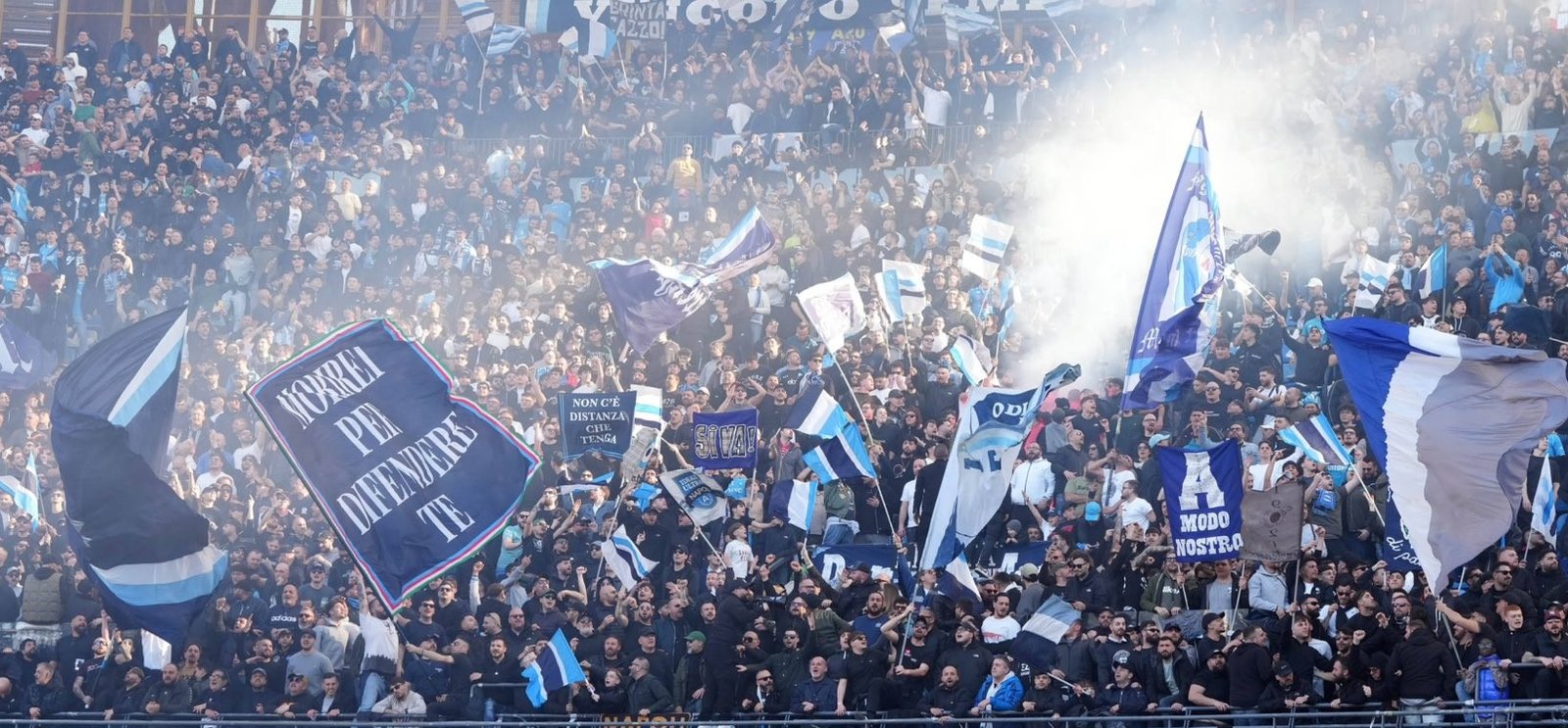
Serie A wasn’t built for television, it was built for the people. Stadiums were imperfect but alive. Ultras created intimidating atmospheres rooted in identity and history. Clubs represented cities, politics, and regional pride.
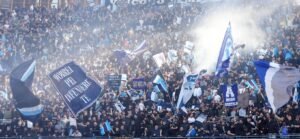
From tifos to chants and tense atmospheres during derbies, Serie A was a cultural movement. Fans moved like they worshipped the sport, and maybe some.
In the 1990s, the energy from the crowd was palpable. Players feared disappointing their fans on game days which meant, fans were about to watch the best football of their lives.
Nostalgia alone doesn’t make an era great, substance does and 90s Serie A had substance in abundance. It produced the best players, the best coaches, the deepest tactics, and the most complete understanding of football the world has ever seen.
The sport has evolved technologically and commercially, but intellectually? It may never surpass what Italy achieved three decades ago. Football didn’t get better after the 90s—it just got louder.