
Proposed change will fix loophole in the law recently called out by Leeds United manager Daniel Farke
Key figures in the Premier League are seeking minor changes to the laws of the game to stop teams from using goalkeeper injuries for tactical breaks.
The concern is that goalkeepers are exploiting a loophole by going down for treatment so that managers can pass on instructions to their players.
According to new rules, outfield players have to leave the field for 30 seconds after treatment to discourage time-wasting and tactical stoppages.
However, unlike outfield players goalkeepers are not required to leave the pitch after receiving medical attention, which means they do not have this deterrent.
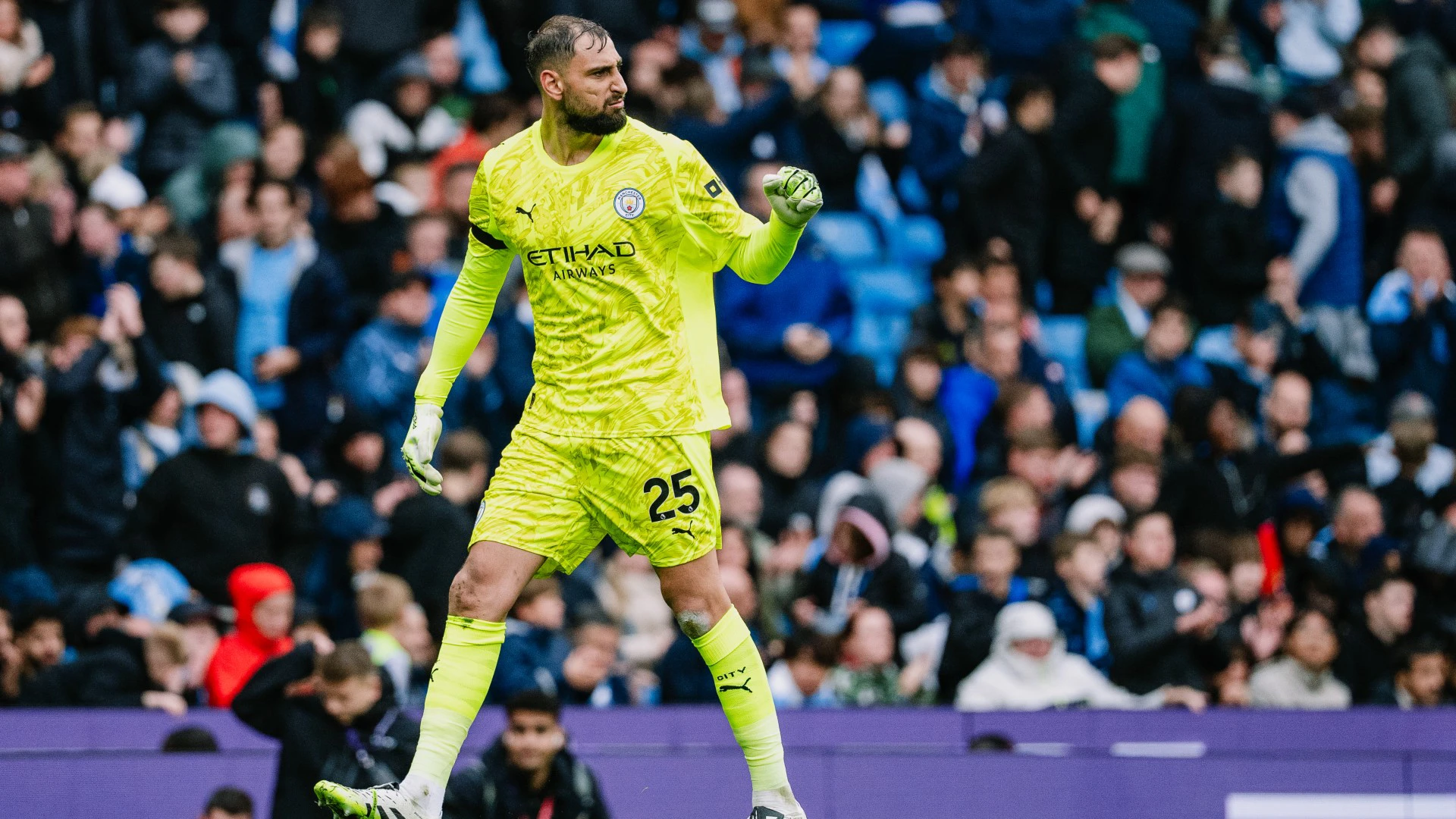
Last weekend, Leeds United manager Daniel Farke criticised Manchester City goalkeeper Gianluigi Donnarumma, accusing him of faking an injury to allow Pep Guardiola to reorganise his team. While Donnarumma was being treated, all of City’s players huddled around Guardiola to receive new instructions.
Farke said: “Everyone knows why he went down, right? I think it was obvious. You can fake an injury in order to do an additional team talk.
“It’s within the rules, it’s smart. I asked the fourth official if he wanted to do something, he said, ‘No, our hands are tied, we can’t do anything’.”
He then called for change: “There are tools you can use to make sure this doesn’t happen. There’s a reason why the goalkeeper goes down and not an outfield player. An outfield player would have to go off.”
The issue was discussed in October by the Football and Technical Advisory Panels of the International Football Association Board (IFAB), according to BBC Sport.
Two solutions are reportedly under consideration. The first is that, since a goalkeeper cannot be asked to leave the pitch, the team in question should be required to temporarily send out an outfield player instead.
The second is that players should be banned from approaching the technical area if the goalkeeper goes down and requires treatment. The IFAB is set to meet on 20 January, when the matter will be reviewed.