
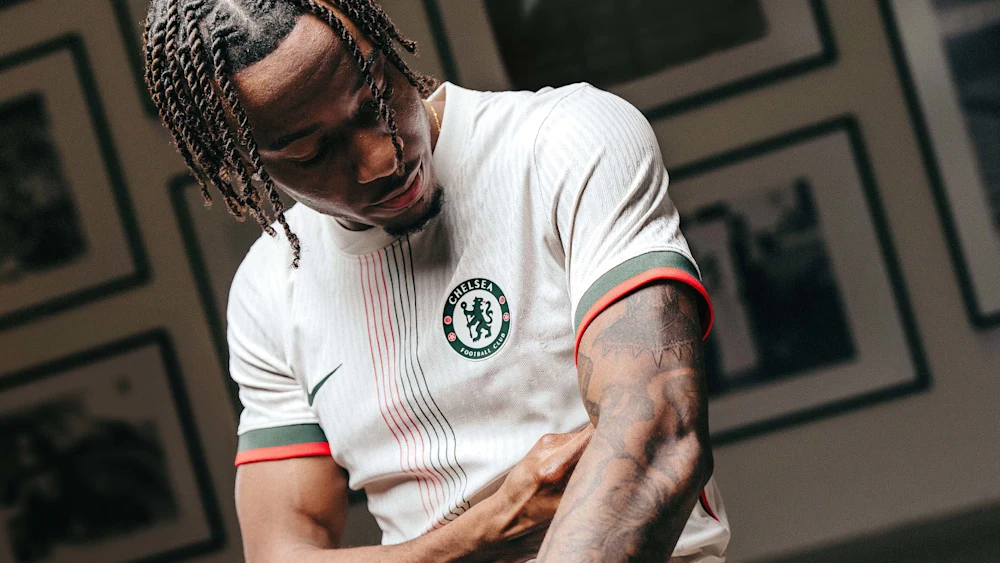
Football has always been more than a sport. It’s been more than 22 men kicking the ball on the field, and recently, fashion has become one more part of the beautiful game.
Football has always been more than just 90 minutes on the pitch. It is culture, it is identity, and in many ways, it is self-expression. Some fans have even tagged football as a religion, as the sport has helped create bonds that will last more than a lifetime.

In recent years, however, the game has spilled over into a new dimension, fashion. Jerseys, tracksuits, and football-inspired designs are no longer confined to stadiums or training grounds. They’ve become part of mainstream fashion, woven seamlessly into the everyday wardrobes of fans and even people who don’t watch football.

Walk through any major city and you’ll see it: football shirts paired with jeans on a casual night out, retro kits worn at music festivals, and even high-end fashion collaborations that turn limited-edition jerseys into must-have streetwear pieces. What used to be a symbol of allegiance to a team has now become a global style statement.
Football Wears as Everyday Fashion
It’s not just about matchdays anymore. Jerseys have found their way into places where no one ever expected to see them—carnivals, dates, parties, and even the runway. That vintage AC Milan shirt or the latest Liverpool home kit now carries the same cool factor as a designer tee.

In London, Paris, New York, and beyond, football gear is worn with a confidence that says this is more than fandom. It’s a lifestyle.
This shift has turned jerseys into cultural artifacts. Think of the 1990s Nigeria kits, still celebrated for their boldness, or Arsenal’s iconic bruised banana shirt, which Adidas revived and reimagined decades later. These aren’t just sports uniforms anymore; they’re fashion pieces, with resale values that sometimes eclipse original prices.

The Role of Big Brands
Manufacturers like Nike, Adidas, Puma, and even smaller independent designers have leaned heavily into this new wave. Jerseys are no longer just about functionality on the pitch; they’re designed with style in mind. Look closely at the detailing, the patterns, the cultural nods; it’s intentional.
Nike’s Nigeria 2018 World Cup jersey, for example, became a global sensation not just because of the Super Eagles’ fans but because it was instantly recognised as one of the most stylish sportswear pieces ever created. It sold out worldwide in minutes.

Adidas has taken a similar approach, blending heritage with modern design. Their collaborations with Arsenal, in particular, have stood out. Each season, they release kits that feel like extensions of North London culture, whether it’s retro-inspired away shirts or sleek home designs that connect with the club’s history.
A typical example is the 2025/26 Third kit. It is a fashion statement and pays homage to Highbury Stadium’s art deco architecture and the club’s classic football heritage

Clubs as Fashion Brands
Clubs themselves have begun to realise that their influence stretches beyond the pitch.
PSG is perhaps the clearest example. Their partnership with Jordan Brand turned them into a global fashion powerhouse.
The black Jordan x PSG kits were seen everywhere from basketball courts in America to street corners in Tokyo. Suddenly, Paris Saint-Germain wasn’t just a football club; it was a brand, a lifestyle, a symbol of cool.

Arsenal has taken a slightly different but equally effective route. Their Adidas kits carry elements of club heritage but with a modern, fashion-forward edge. The club has also embraced collaborations and campaigns that showcase diversity, street culture, and music.
The result is that Arsenal shirts aren’t just worn at the Emirates but at Notting Hill Carnival, at concerts, and even on dates. The Gunners have bridged football and fashion in a way that resonates with a global audience.

Why It Matters
The fusion of football and fashion reflects how deeply ingrained the sport is in global culture. Football is the world’s most-watched sport, and with that comes influence. Players themselves are style icons. Names like David Beckham, Héctor Bellerín, Cristiano Ronaldo, Alisha Lehmann, and Paul Pogba, to mention a few, are as comfortable on the runway or at fashion events as they are on the pitch.

When players embrace fashion, it reinforces the crossover and makes fans feel like football gear belongs in every setting.
It also opens new revenue streams for clubs and brands. Limited-edition drops, retro releases, and fashion collaborations create hype, sell out quickly, and strengthen the bond between fans and their teams.

But perhaps the most important thing is how this trend democratizes fashion. Jerseys are relatively affordable compared to luxury fashion, yet they carry equal weight in terms of cultural clout.
Football and fashion are no longer distant worlds. They are interwoven, feeding off each other’s energy.
What began as fans wearing their colours with pride has evolved into a movement that defines style, culture, and identity. Whether it’s Arsenal releasing a kit that feels like an anthem of North London, or PSG turning into a global streetwear phenomenon, the message is clear: the football shirt is no longer just for matchday, it’s for every day.