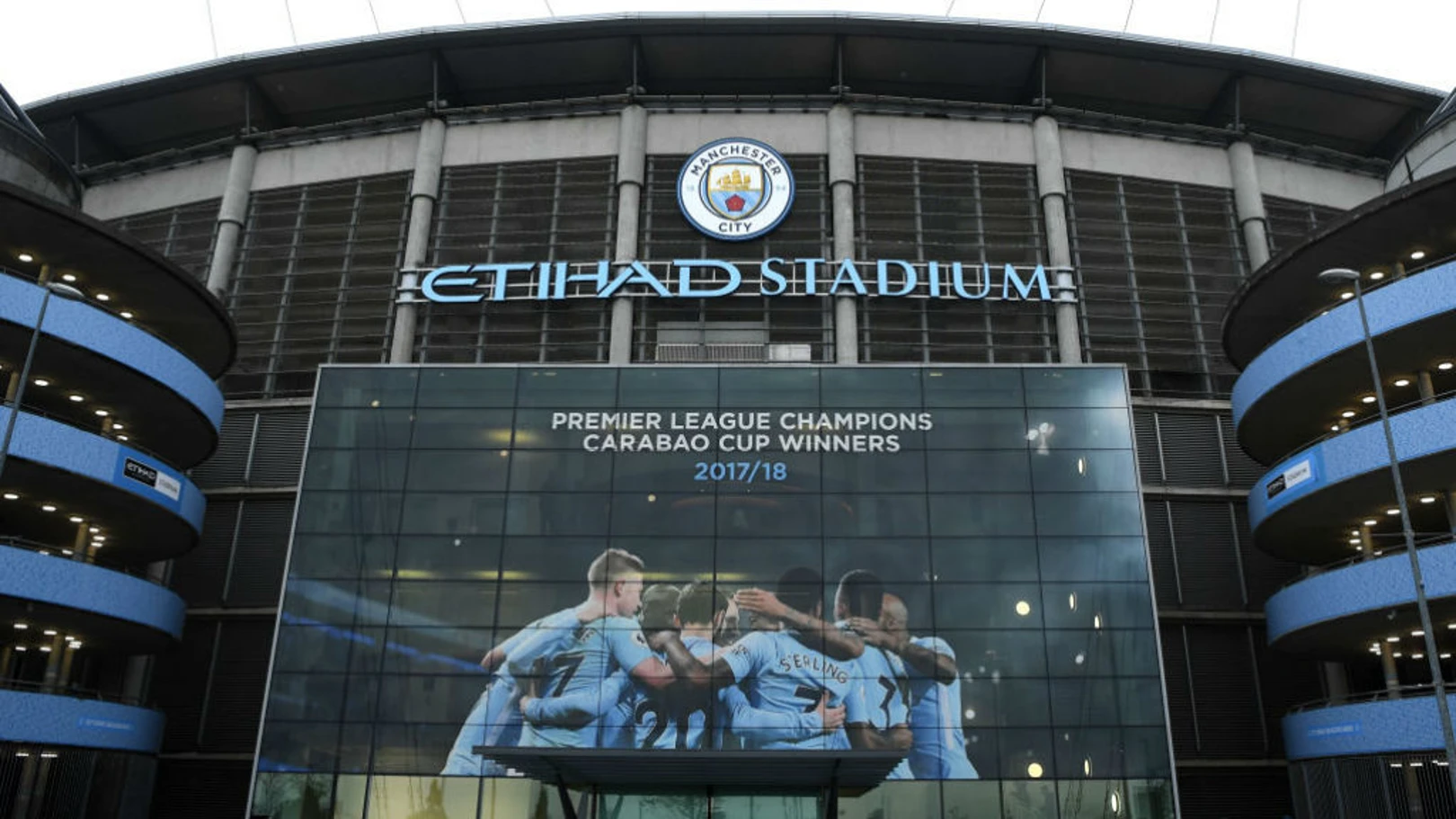
Take out the harps. Beat the drums. Dust off the cymbals. Unleash the fanfare. Manchester City have been found guilty of 114 out of 115 charges of breaking financial fair play rules. In a way this is good for everyone because cheating in sport should not be swept under the carpet.
An interminable case is finally at an end. Or is it? Much more likely, the process has only reached a recognisable milestone. After three years of this saga, which has felt like sitting on a stool watching an old woman knit a sweater, at least something has happened. A verdict has been reached.
But of course this thing could go on for much longer. For City, this has always been a case of judgement incorrect if we are found guilty. It is a foregone conclusion that they will appeal. They have already tried to filibuster it into oblivion. File appeal after appeal. Endlessly delay. Stretch this thing out until the rubbernecking crowd eventually get tired and claw their eyeballs out.
But while that happens, what exactly becomes of the Premier League? Yes, this is still good content in a content-mad age. Football still outcompetes internet porn. The world is not tired of fun, of late nights, of Gabriel Magalhães skying a penalty, portable dopamine, new-age rage-baiting on TikTok fuelled by the digital hive-mind, tribalistic brain fart as a sellable product.
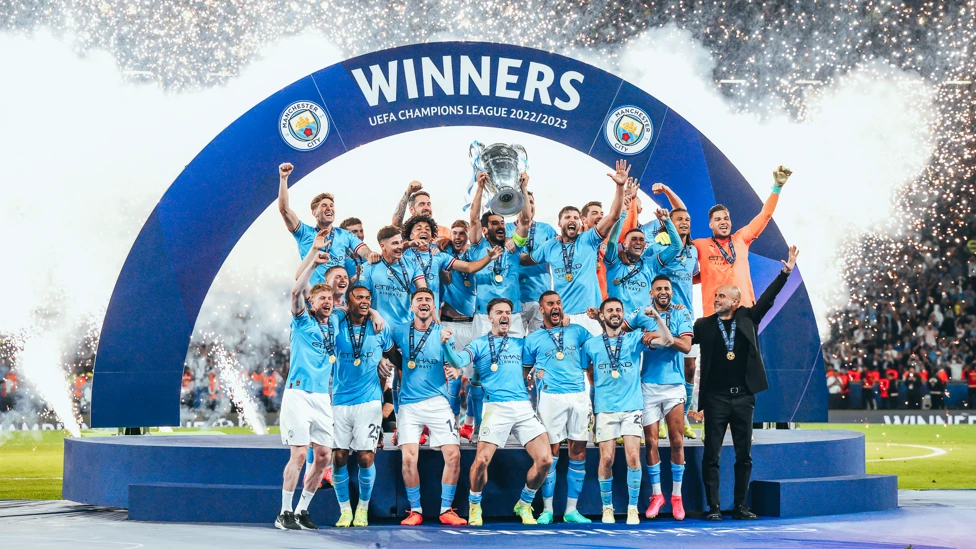
This is the content that keeps on giving. Yet this endlessly moreish product is now actually tinged with fraud. Can you successfully take that out of your mind and just give yourself over to the game now? Yes, Erling Haaland is a really good footballer. You love watching him play. But he’s actually only playing for this club because hundreds of millions of pounds in side payments were made underground while rivals sweated over their accounting books.
Never mind obeying the law. We’ll just buy Pep Guardiola a new team instead. This is financial doping on a scale never seen before. 114 out of 115 charges proved correct. A footballer would be suspended for a year with just a few hundreds of pounds worth of chemicals, accused of undermining the competition, let alone an act of this magnitude by an institution.
How would City fans feel watching this? How would anyone, who has for years enjoyed the bitter-sweet of a really good team, cranium-exploding magnificence, one of the best in history, led also by one of the greatest managers in the history of the game, dominating the Premier League?
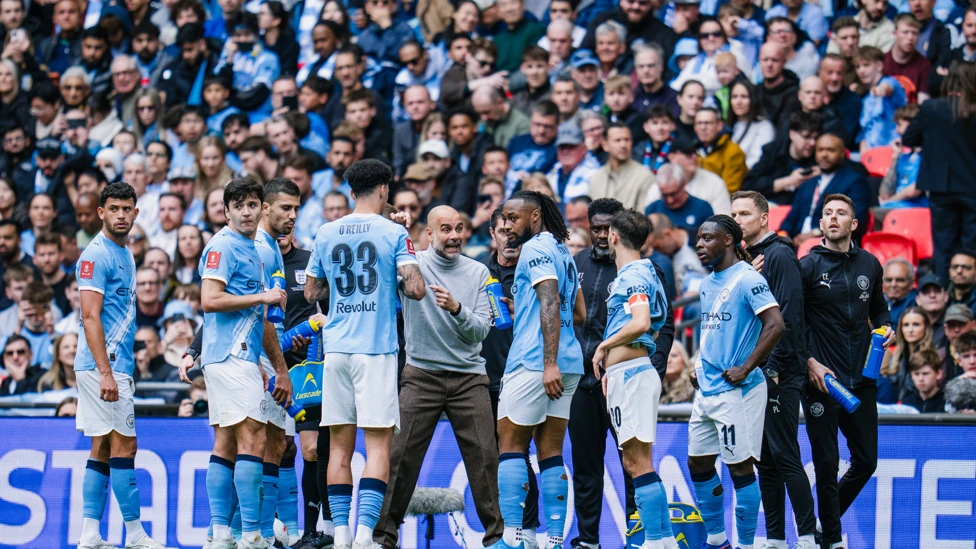
Say what you like, but this forever taints City’s legacy. It also puts an asterisk on the league itself. And there is still the question of how it affects the commercial side. American capitalist owners, for so long twiddling their pencils and idly watching their investments mature, could jump out of their seats to take action. It has already been reported that Premier League clubs are considering how they could claim compensation.
Take the example of Everton. After they were found guilty on one count of breaking the financial rules, they were docked 10 points but crucially also ordered to pay Burnley nearly £40m in compensation. Burnley had filed a claim for damages on the basis that Everton’s actions caused them to be relegated, which led to financial losses.
Everton have appealed, claiming the ruling sets “a dangerous and unworkable precedent”, but Burnley also had a compelling argument that they were “competing in a competition later shown to have been compromised”.
With City found guilty, several Premier League clubs who could have won the title or qualified for Europe in the decade in question could sue for compensation. The legal position is hazy but indeed, even teams who were relegated having been defeated by City, or even played in the Premier League in that time, could claim damages on the basis the competition was compromised.
With the level of infighting that this could potentially lead to, the Premier League stands a chance of losing from several angles.
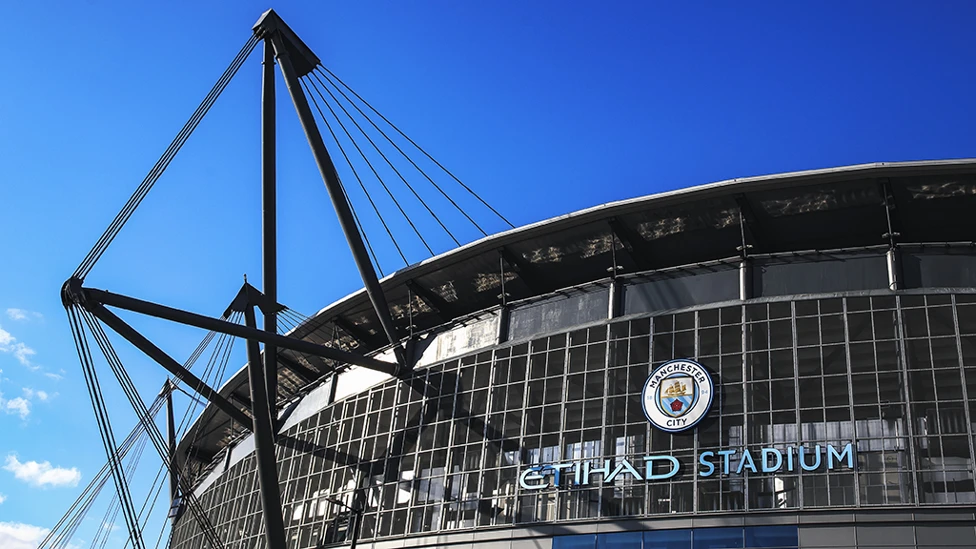
City as a club have also lost out. Surprise, surprise, an institution owned by a regime alleged to be funding terrorists in Sudan, an autocratic state implicated in reports of suffering, bloodshed and death, is also cheating its way to success in a football competition.
Even if the club somehow manage to rig the justice system, escape with a slap on the wrist, carry on like before and look to the future, when they win fans can always just say you cheated, even if they have actually stopped doing so.
In a way you almost think ultra punishment would be best, that it could act as a cleansing experience, the Championship as visible purgatory. We have paid for our sins and now we are back. This is the new us.
Perhaps the Premier League can heal then. For now, there are no winners, only losers, regardless of how good this is for justice and for fair competition. We have all lost something from the sport, even if we don’t recognise it. But no matter what happens, it must be clear there is no one to blame here but City. Not the players, not the fans, but the institution itself.