
Payments are made as compensation to clubs but still pale in comparison to wages
Manchester City are set to receive the biggest payment from Fifa’s Club Benefits Programme for a third successive World Cup.
The club will collect about $4.4m (£3.3m) from the main $250m fund allocated to clubs whose players took part in the competition in the Americas, according to an estimate by The Athletic.
Fifa’s overall Club Benefits Programme has risen to $355m (£265m), up 70% from the $209m distributed after both the 2018 and 2022 World Cups.
The increase is due to the expansion of the tournament to 48 teams and a revised payment system. Alongside the $250m linked to the finals, FIFA has set aside $100m for clubs whose players appeared in World Cup qualifiers, while the remaining $5m, after administrative costs, will be directed towards club football.
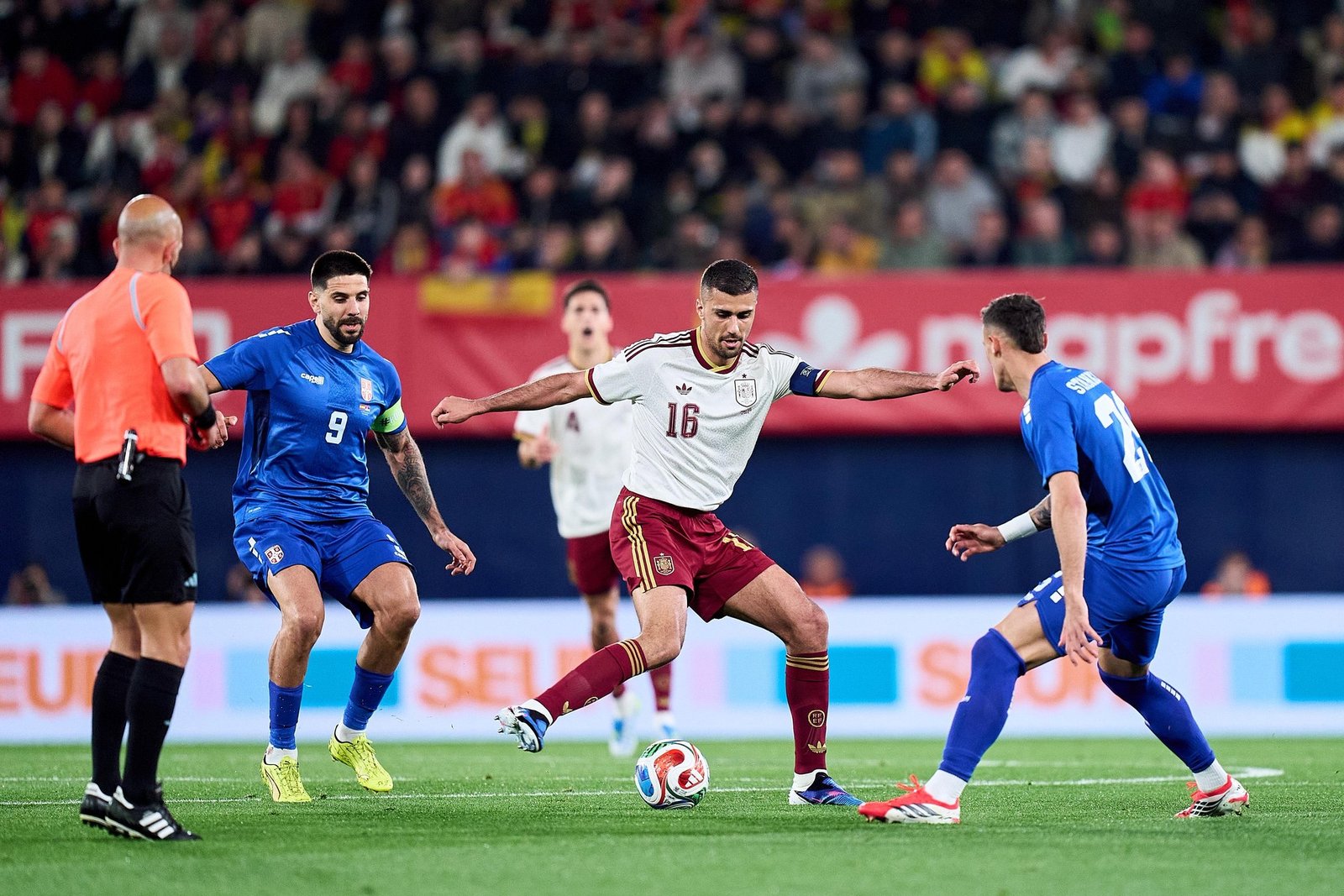
City’s estimated return was helped by six players remaining at the tournament until the final weekend. Rayan Cherki, Marc Guehi, Nico O’Reilly, John Stones and James Trafford were all involved in the third-place match between France and England, while Rodri started Spain’s 1-0 victory over Argentina in the World Cup final.
Fifa calculates payments according to the number of days players spend at the tournament, with clubs receiving about $5,000 per player each day from the mandatory release date on 25 May until the day after their country’s final match.
Barcelona are expected to rank second among all clubs, while Arsenal are projected to be the second-highest earners in England despite receiving less than they otherwise might have. Their Champions League final delayed the release of several players, reducing the number of days they qualified for payment under Fifa’s formula.
Crystal Palace and Sunderland are also expected to receive significant sums. Palace, who had 12 players at the tournament, are estimated to earn about $2.7m, while Sunderland’s contribution of players who scored eight goals leaves the newly promoted club in line for around $2.2m.
Premier League clubs are projected to receive about $34.2m from the finals allocation, comfortably more than any other domestic competition. Germany’s Bundesliga is estimated to rank second with $18.8m.
The payments are made because the clubs continue to pay those players’ salaries while they perform on the international level without any benefits to said clubs. There are also risks of injuries sustained on international duty, which keep the player from featuring for their employer at club level for a significant time.
However, while the payments made by Fifa have increased this year, they are still modest compared with the clubs’ costs of employing those elite players.