
Chelsea didn’t just spend their way to trophies—they built an unlikely story through risk and reinvention. A look at how Roman Abrahamovic’s empire and Boehly’s cash splurge has shaped the “Pride of London”.
Chelsea have won it all. This isn’t agenda, it’s pure facts. After winning the Conference league last season and beating PSG surprisingly in the Club World Cup final in America, Chelsea were adjudged to have won it all. Every trophy known to European and English football, the Blues have won it.
They have achieved this feat through constant evolution, building a winning mentality and of course, a lot of spending. But while people have labeled them as a club that bought history and never built an identity, even though we know PSG leans more towards this title than Chelsea, this stereotype is not entirely true.
Clubs have spent money, and will keep spending money. However, what matters is how you spend that money and the returns from that spending and so far, Chelsea have built an winning identity from spending when it matters.
Chelsea Before Abramovich
Before Roman Abramovich arrived at Stamford Bridge in 2003, Chelsea were a respected but far from dominant force in English football.
They were not the financial powerhouse or global brand we know today. Instead, they were a club with flashes of brilliance, occasional trophy runs, and long stretches of inconsistency that kept them hovering outside the elite bracket.
Chelsea had history, but it wasn’t the kind of history that frightened opponents. They were good, sometimes very good, but never truly great.
In terms of silverware, Chelsea had only eight major trophies to their name before Abramovich’s takeover. These included one First Division title (1954/55), three FA Cups, two League Cups, and two European trophies — the UEFA Cup Winners’ Cup (1971 & 1998).
For a club based in London with such a large fanbase, that return painted the picture of a side that dipped in and out of relevance. They had iconic players and memorable teams, but success was scattered across decades, not sustained.
Relegation was also part of the club’s story. Chelsea were relegated six times before the Premier League era reshaped English football. Their most turbulent period came in the 1970s and 80s, when financial issues, ageing squads, and poor management saw them bouncing between the First and Second Division. They were even close to bankruptcy in the early 1980s and had to fight their way back under John Neal, who stabilised the club and returned them to the top flight.
Because of these ups and downs, Chelsea were often viewed as a “sleeping giant”, a big-city club with potential but without the consistency or resources to challenge Manchester United, Liverpool, or Arsenal over a full season. In the 1990s they grew more competitive under Glenn Hoddle and Gianluca Vialli, winning cups and bringing continental flair to English football, but they were still nowhere near title contenders. Chelsea were exciting, stylish, and entertaining, but never the benchmark for sustained success.
That perception changed the moment Abramovich walked through the door.
Chelsea Under Roman Abramovich
Abramovich’s arrival didn’t just inject money; it reshaped Chelsea’s identity, ambitions, and standing in world football.
Roman Abramovich flipped Chelsea’s destiny in 2003 when he bought the club for £60 million. With planning, structure and of course, money, lots of it, Abramovich gave Chelsea a new image.
In his first season in 2004, he hired Claudio Ranieri and spent about £100 million, signing 14 players in his first season. This list includes players like like Claude Makélélé, Geremi, Hernán Crespo, Wayne Bridge, Glen Johnson, Joe Cole and Damien Duff.
The spending paid off as Chelsea finished as Premier League runners-up (their best league finish for 49 years) and reached the Champions League semi-finals after dramatically beating the Arsenal Invincibles in the quarter-finals.
Im 2004, Chelsea signed Jose Mourinho as manager and with players like John Terry, Petr Čech, Arjen Robben and Ricardo Carvalho to name a few, Chelsea went on a marauding run. They lost just one game that season, set the Premier League record for least goals conceded in a season (15) and won the Premier League for the first time in 50 years and also won the League Cup.

Under Abramovich, winning trophies was important and he didn’t stop at anything, especially financially to win. Chelsea established themselves as one of the most successful clubs of the modern era.
From 2003 to Abramovich’s departure in 2022, Chelsea won 21 major trophies, including five Premier League titles, five FA Cups, three League Cups, two Champions League titles, two Europa Leagues, and the Club World Cup, now known as the FIFA intercontinental cup.
In less than two decades, Chelsea matched or surpassed the achievements that had taken the previous century to accumulate. They became serial winners, a club built on high standards, elite recruitment, and an unwavering demand for silverware.
This became Chelsea’s identity. Elite recruitment and a winning culture, high standards which meant coaches could get sacked without a second thought and underperformed players were traded as quickly as possible.
This era also elevated Chelsea’s reputation globally. Stamford Bridge became a magnet for elite talent. Players like Didier Drogba, Frank Lampard, Petr Čech, Eden Hazard, and N’Golo Kanté didn’t just define Chelsea, they defined modern football.
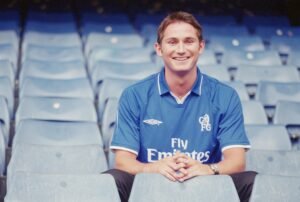
The academy flourished, infrastructure improved, and Chelsea became a brand with worldwide pull. The contrast with the pre-Abramovich period could not have been sharper: this was now a club built to dominate.
Abramovich’s ownership reshaped Chelsea into a juggernaut, but it also reshaped expectations. What used to be considered a successful season — a top-four finish, a cup run, or a European night or two — no longer satisfied anyone. Chelsea fans, who once celebrated simply surviving relegation battles, now measured success in trophies, not progress, and that shift in mentality is perhaps Abramovich’s most enduring legacy: he made winning feel normal.
Chelsea Under Boehly and Eghbali
Roman Abramovich’s time at Chelsea came to a painful end in 2022 as he was forced to sell the club. But when Boehly and Eghbali took over, the club didn’t lose its identity.
Even though the club suffered in terms of form, fans still had high expectations and Graham Potter and Pochettino suffered the brunt of this. The new owners also had to adjust to this reality and they spent heavily to finally bring the club to where it is today.

Chelsea fans have to fight the tag of spending €2 billion since the new administration but the rebuild and spending has started to yield results. A Conference League trophy and prestigious Club World Cup trophy later, Chelsea are back among the big boys.
Did they spend money, yes. Will they spend more money, yes, but they have a winning identity and they have shown that they won’t stop until they reach their goal, no matter what it “costs”.